Trailer Maintenance on the Gulf Coast: What Salt Air Does to Bearings, Brakes, and Lights
A trailer that lives outside in the Golden Triangle ages differently than one kept in a barn. Here's what actually fails first.
September 2, 2026 · 4 min read
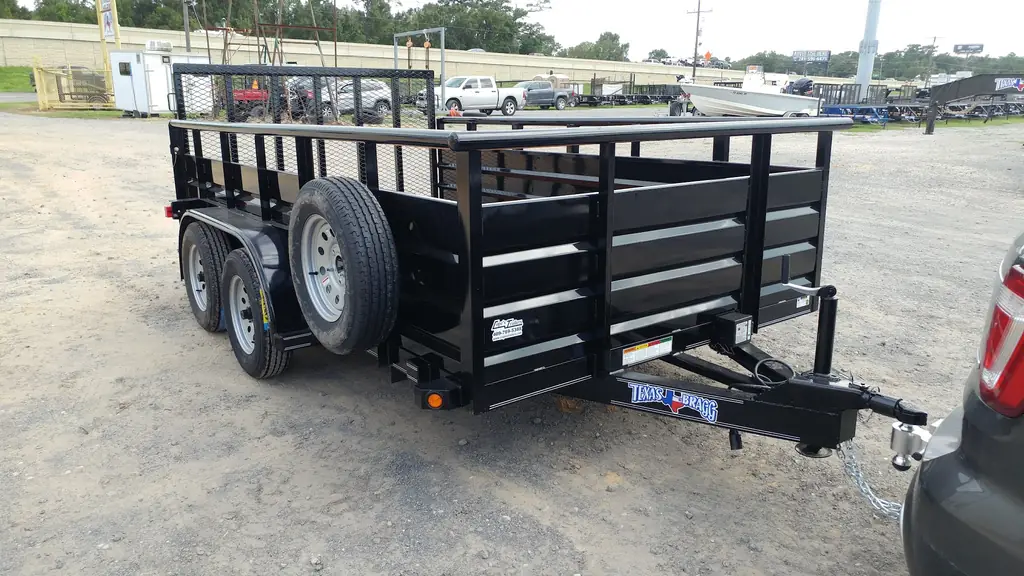
Southeast Texas is hard on trailers in a specific way. It's not just rain, it's salt air rolling up off the Gulf, humidity that never really lets a trailer dry out, and long stretches parked in a yard or driveway between uses. Boat trailers get it worst, dunked in brackish water and then baked in the sun, but every trailer on the road here, utility, cargo, gooseneck, is fighting the same climate.
Bearings and hubs: the failure that strands you on the shoulder
Wheel bearings run on grease, and grease breaks down faster in heat and gets contaminated faster when a trailer sits in standing water or gets backed into the Gulf on a boat ramp. A bearing that's starting to go usually gives you a warning: a faint growl at speed, a hub that's hot to the touch after a drive, or a wheel with more play than it should have when you rock it by hand. Ignore that warning and the bearing seizes or the wheel comes off, which on I-10 at highway speed is not a small problem. Cope's repair shop handles axles and hubs as part of its regular work, and catching a bearing early is a same-day fix in most cases, not a tow bill.
Brakes and brake controllers
Electric trailer brakes corrode from the outside in when they sit wet, and the wiring to the brake controller in the truck is one of the first things salt air gets to. If your trailer brakes feel weaker than they used to, or the controller in the cab throws an error it never used to throw, that's usually a connection problem before it's a magnet or shoe problem. Cope's works on brake controls specifically, listed right alongside axles and hubs on their repair page, because on trailers that live near the coast, it's one of the most common calls.
Lights and wiring
Trailer lighting is the single most common thing to fail on a coastal trailer, because the connector at the tongue sits exposed to spray and mud on every trip and corrodes from the inside where you can't see it. A dim turn signal, a light that flickers over bumps, or a full short that blows a fuse in the tow vehicle usually traces back to a corroded ground or a cracked wire in that connector. It's a cheap fix and it's also the difference between a routine drive and a taillight-out stop on the frontage road.
Tires age even when they don't wear
Tire tread isn't the only thing that matters on a trailer that mostly sits between trips. Rubber degrades with UV exposure and heat even if the tread barely wears, and trailer tires in particular are prone to dry rot, fine cracks across the sidewall that show up years before the tread does. Every tire has a four-digit date code stamped on the sidewall, the week and year it was made, and on a trailer that lives outside in Southeast Texas heat, five years old is old enough to check closely regardless of how much tread is left. A tire that looks fine standing still can fail under a loaded trailer at highway speed, which is a bad way to find out it was overdue.
Coupler, jack, and safety chains
The coupler, the tongue jack, and the safety chain mounts get less attention than bearings and lights, but they corrode the same way. A coupler that's stiff to latch or a jack that's hard to crank usually just needs grease, and catching that early is a lot cheaper than a jack that seizes with a loaded trailer on it in a driveway. Safety chains are galvanized for exactly this reason, but the mounting bolts underneath usually aren't, and that's where rust actually starts. A quick look and a shot of grease a couple of times a year keeps all three working the way they're supposed to instead of finding out they don't on the one day you need them.
Rust: the slow one
Steel-frame trailers rust here faster than almost anywhere in the state that isn't directly on the water. Fenders, cross members, and anywhere two pieces of metal are bolted together and can trap moisture are where it starts. Rinse the frame after a boat trip in salt or brackish water if you can, keep the fenders clear of built-up mud and leaves, and touch up bare metal with primer before it spreads. Aluminum trailers, which Cope's also carries through Aluma, sidestep most of this, which is part of why they hold value well on boat trailers here specifically.
- Growling hub or excess wheel play: get bearings checked before your next long tow.
- Weak or inconsistent trailer brakes: check the tongue connector and controller wiring first.
- Flickering or dead lights: almost always the connector, not the bulb.
- Rust starting on fenders or cross members: rinse, clear debris, and prime bare spots early.
None of this needs a shop visit to prevent. Most of it just needs a look every few months. When something does need fixing, Cope's technicians are fully qualified with certified welders on staff, they take drive-ins as well as appointments, and in most cases you're back on the road the same day. Call the repair line direct at 409-220-1308, or see the full list of what they handle at /services/trailer-repair.
Cope's Trailers · (409) 769-5388
Call (409) 769-5388More articles
Single Axle or Tandem? How to Pick the Right Utility Trailer for What You Actually Haul
The sticker price isn't the question. What you're hauling, how often, and what your truck can legally stop are.
Gooseneck, Bumper Pull, or Deckover: What Each One Is Actually For
The hitch style and the deck height decide what you can load and how your truck has to be set up. Here's the real difference.