Gooseneck, Bumper Pull, or Deckover: What Each One Is Actually For
The hitch style and the deck height decide what you can load and how your truck has to be set up. Here's the real difference.
September 2, 2026 · 3 min read
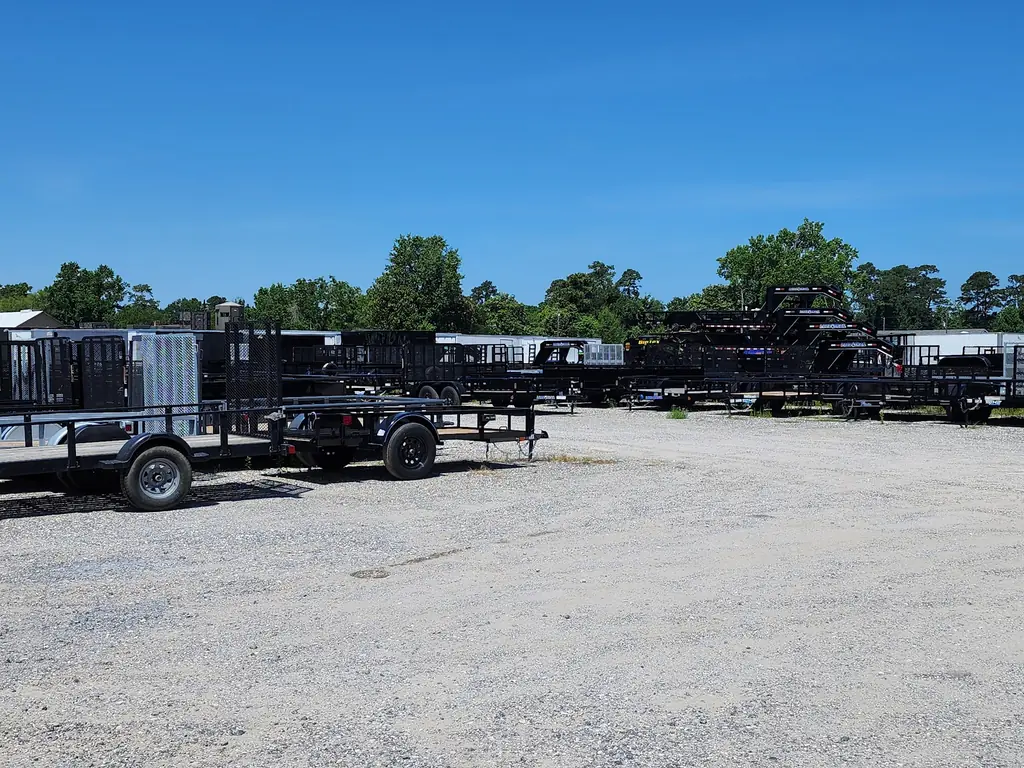
Ask three different guys on the same job site whether you need a gooseneck or a bumper pull and you'll get three confident, different answers. The actual answer comes down to two things: how heavy and awkward the load is, and what your truck bed and frame are set up to pull.
Bumper pull: the trailer most people actually need
A bumper pull trailer hitches to a ball on the back of the truck, at bumper height, which is why it's the most common trailer on the road. It's easier to hook up alone, it doesn't need anything installed in the truck bed, and for utility trailers, single and tandem axle cargo trailers, and lighter boat trailers, it's plenty of trailer. The tradeoff is a shorter wheelbase relationship between truck and trailer, which means more sway at higher weights and less stability backing a long trailer into a tight spot.
Gooseneck: for weight and for length
A gooseneck hitches over the rear axle of the truck, through a ball or coupler mounted in the bed, which puts the pivot point inside the wheelbase instead of behind it. That's what makes a gooseneck track straight and stable at real weight, which is why Cope's stocks gooseneck cargo trailers, gooseneck dump trailers, and gooseneck horse and cattle trailers. If you're hauling near or over the GVWR where trailer brakes and sway start to matter, or hauling something long like a 36-foot gooseneck cargo trailer, the gooseneck setup is doing real work, not just looking heavier duty. It does mean a hitch installed in the truck bed and a truck with the payload to carry that tongue weight.
Deckover: when the load is wider than the frame
A deckover trailer runs its deck flat over the top of the frame and the axles instead of dropped between the wheels, which means the whole deck width is usable and there's no wheel well cutting into your load space. That matters for equipment with wide tracks, for loading something off the side rather than straight up a ramp, or for anything you don't want pinched by fender wells. Cope's carries deckover in both bumper pull and gooseneck configurations, which is worth asking about specifically if you're moving skid steers, tractors, or wide farm implements around Orange or Jefferson County.
Where the weight actually sits changes how the whole truck handles
A bumper pull's pivot point sits behind the rear axle, which is why a heavy bumper pull can start a truck fishtailing at speed, especially crossing a bridge or getting passed by an eighteen-wheeler on I-10. A gooseneck's pivot point sits inside the wheelbase, over the rear axle, which is mechanically closer to how a fifth-wheel semi truck is set up and is a big part of why the ride feels planted even loaded heavy. It's not that a bumper pull is unsafe at its rated weight, it's that a gooseneck has more margin built into the geometry before things get squirrely.
What your truck needs to actually be ready
A bumper pull just needs a rated ball and a truck that can handle the tongue weight. A gooseneck needs the bed hitch installed, which Cope's can talk through, and enough payload capacity in the truck bed itself, since the gooseneck puts more of the trailer's weight directly over the rear axle than a bumper pull does. Get that backwards and you'll find out on a scale, or worse, on the shoulder of I-10.
Check your truck's payload sticker, usually inside the driver's door jamb, before you assume it can handle a gooseneck's tongue weight on top of passengers and gear. A half-ton truck with a gooseneck hitch installed can lose several hundred pounds of usable payload to the hitch hardware itself before a pound of trailer is even hooked up. That's rarely a dealbreaker, it's just worth knowing going in, especially if the same truck already tows a boat on weekends and hauls tools during the week.
If you're not sure which setup fits the truck you've already got, that's exactly the kind of question to bring to the lot at 24206 I-10 in Rose City, or call 409-769-5388 before you buy. Full inventory by category is at /services/gooseneck-deckover, /services/cargo-trailers, and /services/dump-trailers.
Cope's Trailers · (409) 769-5388
Call (409) 769-5388More articles
Single Axle or Tandem? How to Pick the Right Utility Trailer for What You Actually Haul
The sticker price isn't the question. What you're hauling, how often, and what your truck can legally stop are.
Trailer Maintenance on the Gulf Coast: What Salt Air Does to Bearings, Brakes, and Lights
A trailer that lives outside in the Golden Triangle ages differently than one kept in a barn. Here's what actually fails first.